Emergency Emden Fire & Paramedic Guide
Hose, hydrant, harness, defibrillator, bandages, and hospital runs after Update 4.9.
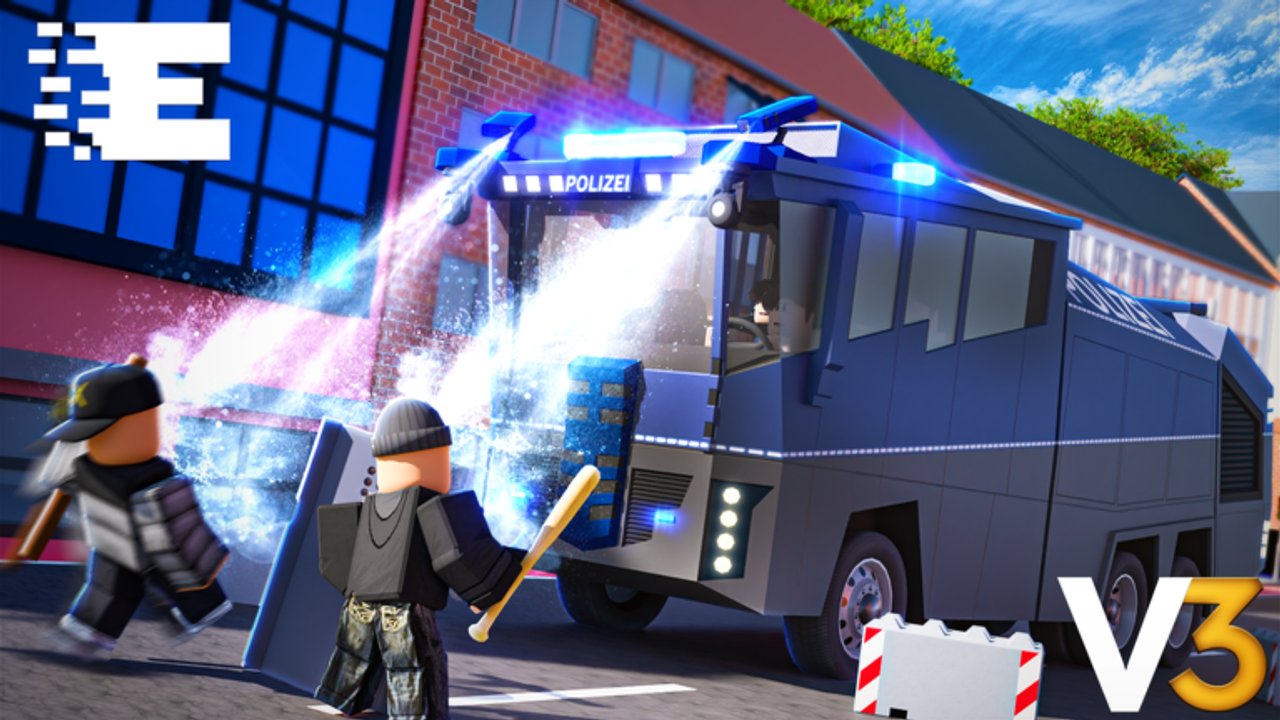
Firefighters and paramedics keep Emergency Emden alive when police chases and criminal fires spill into the streets. Update 4.9 rebuilt both tutorials from the ground up: Fire is shorter and only starts if you actually chose Fire, while Paramedic now runs an 11-step lesson with a practice patient, a dedicated GET GEAR step for the defibrillator, and arrows on every objective. This combined guide covers hose and hydrant work, harness rescues, medical tools, hospital delivery, and how to cooperate with police on messy scenes.
Choosing Fire or Paramedic
On Choose Your Path, pick Fire or Paramedic if you want steady legal pay with clear callouts. Explore is fine if you only want landmarks first, but you will still need the job tutorials later. Brand-new players should finish Getting Started for Phone codes and daily rewards before specializing.
Fire starter gear after 4.9 covers harness, bandage, and hose. Paramedic starter flow highlights the defibrillator, bandages, and transport steps. Both careers unlock a matching emergency vehicle when the tutorial ends. Team limits are ignored for your starter choice so you are never locked out of learning.
Firefighter basics: hose, hydrant, harness
Fires appear from accidents, crime aftermath, and scripted callouts. Your core tools are the hose for knockdown, hydrants for water supply, and the harness for elevated or trapped rescues.
Hose and hydrant loop
- Arrive with lights and park clear of police perimeters.
- Connect to a hydrant when the scene needs sustained pressure — do not spray blindly through walls (that bug was fixed in 4.9, but good habits still matter).
- Sweep flames systematically instead of dancing in place.
- Watch for reignition while partners pull victims.
- Call clear when the structure is safe for medics.
Stay aware of water physics and building collision. If a civilian or criminal is still inside, prioritize life over perfect extinguish order. Keep the engine off hydrant caps and ambulance doors.
Harness rescues
The harness is part of the new Fire starter kit. Use it when victims are stuck above street level or need a controlled lower. Communicate with the person you are rescuing, move slowly, and hand them to paramedics as soon as they hit stable ground. Harness work looks great in roleplay screenshots and saves lives that a hose alone cannot reach.
Bandages on the fire team
Firefighters also carry bandage capability after the tutorial refresh. Patch light injuries on scene so paramedics can focus on critical patients. If you are overwhelmed, request EMS early through Dispatch instead of trying to solo every casualty.
Paramedic basics: defibrillator, bandage, hospital
The all-new 11-step paramedic tutorial is the best teacher in the game right now. It includes a practice patient and arrows to every objective, so treat it as mandatory even if you already played older builds.
GET GEAR and the defibrillator
Open the GET GEAR step and confirm the defibrillator is on your hotbar. The hotbar and backpack received a full V2 rework with mobile and console support in 4.9, so relearn your slots once. On a real call:
- Secure a safe approach — wait for police if shots are still flying.
- Assess the patient and apply the defibrillator when the prompt calls for it.
- Use bandages for bleeding or follow-up stabilization.
- Load the patient for transport when they are stable enough to move.
- Deliver to the hospital marker and complete the handoff.
Patients and related NPCs can respawn on a timer after major scenes, so do not rage if a practice dummy disappears — another call is coming.
Hospital delivery
Hospital runs are your payday and your roleplay climax. Drive smoothly, use sirens when traffic is thick, and avoid ramming police cruisers that are still clearing the scene. After delivery, reset gear, check Mission Tracker, and take the next medical ping. Reward UI now shows clearer money lines and a goal card for your next unlock, so you can see progression without opening five menus.
Sharing scenes with police and criminals
Big nights mix all three emergency teams. Read Police Guide so you know how officers set perimeters during bank and jewelry responses. When criminals torch a store or crash a getaway car, fire arrives for flames while medics triage. Do not argue in chat over who “owns” the scene — claim your specialty and communicate.
If you also enjoy the other side of the law, the Criminal Guide explains why alarms trip and why house robberies spike between 20:00 and 05:00. Knowing crime timers helps you stage near likely medical fallout without camping spawns.
Dispatch, map, and job standing
Tablet, Dispatch, Mission Tracker, and Job Standing were rebuilt alongside the tutorials. Accept only the calls you can reach quickly. Drop a call cleanly if you are across the map so someone closer can take it. High Job Standing comes from finished rescues and transports, not from idling in the bay with lights on.
Minimap icon changes make hydrants, hospitals, and incident blips easier to read — zoom out once after updating so you learn the new art.
Money, codes, and upgrades
Fire and paramedic pay is steadier than crime but usually slower than a perfect heist night. Stack duty pay with Codes, daily login, and mission cards listed in Money Farming. Spend early Cash on a reliable personal car for off-duty travel; keep the job engine for official calls. Cosmetic underglow can wait until your medical or fire toolkit feels automatic.
Emden Pass remains optional. Free-to-play players can finish every tutorial, buy civilian vehicles, and complete hospital chains without it.
Mobile and console tips
Because the hotbar V2 supports mobile and console, practice selecting hose versus harness, or defibrillator versus bandage, before a chaotic multi-car pileup. Bind what you can, and keep the Phone Marketing app ready so you can redeem codes between calls without leaving the server.
Common mistakes
- Skipping the Fire or Paramedic tutorial because you “already know” older versions.
- Parking the engine on the hydrant or ambulance ramp.
- Defibrillating in an active gunfight instead of waiting for police cover.
- Forgetting bandages and forcing every scratch to become a hospital trip.
- Ignoring Dispatch while AFK in the station.
- Blocking train or bus lanes during a chase aftermath — transit still moves the city.
Practice plan
Day one: finish the matching tutorial, redeem codes, complete three hose or three hospital calls. Day two: add harness rescues or multi-patient scenes with a partner. Day three: run joint drills with a police friend using a private server if public chaos is too loud. Track patch notes on Updates whenever tutorials or medical props change.
Fire and paramedic careers reward calm hands and clear radios. Master hose, hydrant, harness, defibrillator, bandages, and hospital delivery, and you become the teammate every officer wants on speed dial.
Frequently Asked Questions
Quick answers to the most common Emergency Emden questions.
What changed for Fire and Paramedic in Update 4.9?
Fire received a shorter tutorial that only triggers if you picked Fire, with starter harness, bandage, and hose. Paramedic gained an 11-step tutorial with a practice patient, defibrillator GET GEAR step, and objective arrows.
How do hydrants work for firefighters?
Connect to a hydrant when you need sustained water, then sweep flames systematically. Park clear of the hydrant and leave room for ambulances and police.
When should I use the defibrillator?
After you have a safe approach and the patient prompt calls for it. Stabilize with bandages as needed, then transport to the hospital marker to finish the run.
Can I play both Fire and Paramedic?
Yes. Finish one tutorial, switch jobs, and complete the other. Switching cleanly ends the active tutorial so you can restart the new path.
Do I need game passes for these jobs?
No. Fire and paramedic are free-to-play careers. Optional passes elsewhere in the game do not gate hose work or hospital deliveries.