Emergency Emden Police Guide
Gear, arrests, dispatch, bandaging, and GSG9 specialty tips for officers.
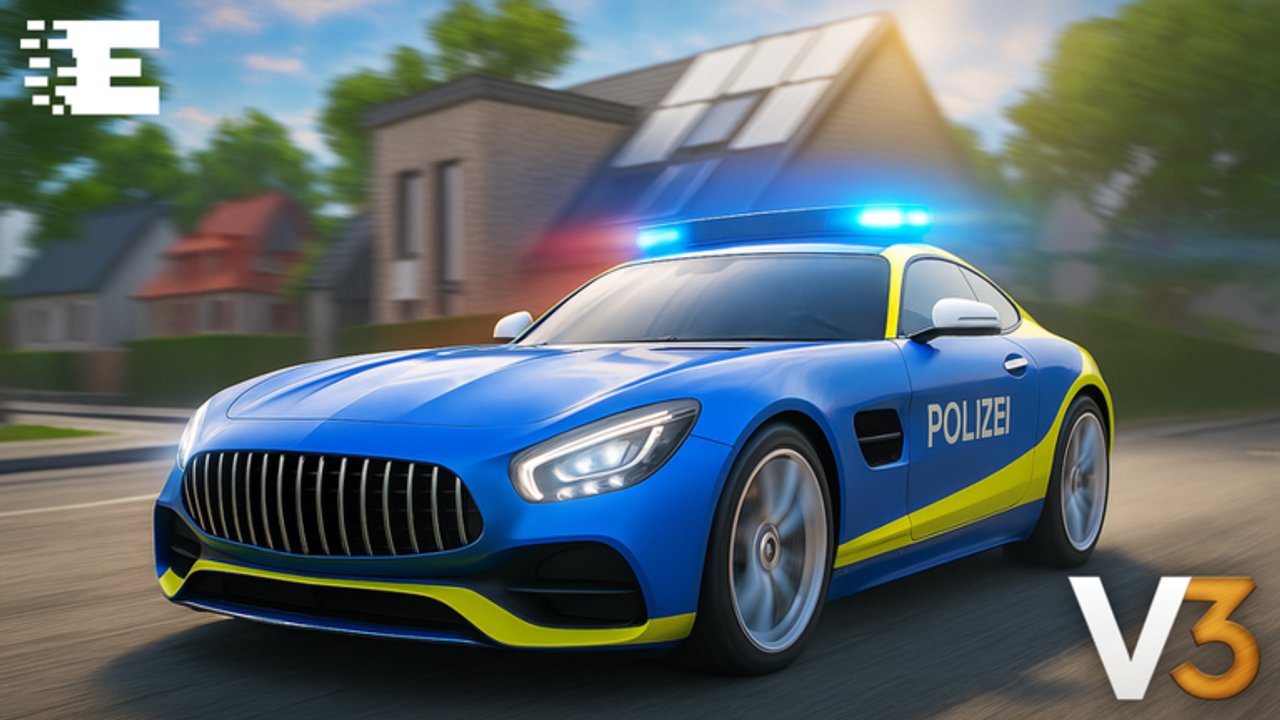
Police work is one of the steadiest ways to learn Emergency Emden. You answer citywide calls, chase criminals after store and bank jobs, bandage wounded teammates, and keep the port safe while still earning Cash and Euros. Update 4.9 rebuilt the police tutorial so newcomers get a shorter flow that still covers GET GEAR and bandaging before you roll out. This guide covers duties, gear, arrest flow, dispatch habits, GSG9 differences, and practical tips that keep you useful on busy servers.
Joining the police path
If you are brand new, pick Police on Choose Your Path so you spawn straight into the force and ignore temporary team limits. Returning players can switch to police from the job menu after finishing any other tutorial. Complete the rebuilt tutorial fully — it now requires a minimum duration, and switching jobs mid-tutorial ends the lesson cleanly so you can restart later. When the tutorial finishes, your starter police car unlocks and you can pull gear.
New to the game overall? Read Getting Started first for Phone codes, daily rewards, and the first-hour checklist, then return here for duty details.
Duties on a typical shift
Police officers respond to robberies, traffic incidents, and player-reported crime. Your loop usually looks like this:
- Clock in and grab gear from the station loadout step.
- Watch Dispatch and the Mission Tracker for active calls.
- Drive to the marker, secure the scene, and communicate with fire or paramedic units when injuries or flames are involved.
- Arrest or detain suspects when the roleplay and wanted rules allow it.
- Bandage yourself or allies if the tutorial tools taught you the medical step.
- Return evidence flow or release suspects according to server norms, then take the next call.
Stay mobile. Camping one jewelry door all night frustrates criminals and bores your own team. Rotate between bank, stores, residential night robberies, and truck hits so every district sees coverage.
Gear and the GET GEAR step
The reworked police tutorial forces a clear gear pickup. Treat that as your checklist every shift: confirm cuffs or arrest tools, any baton or duty weapon the build provides, bandage items, and radio or tablet access. After 4.9 the Tablet, Dispatch, Mission Tracker, Job Standing, and Phone Settings UI were all refreshed — open each once so you know where wanted blips and call cards appear.
Keep bandages ready. Officers get hurt during chases and heist responses. Knowing the bandage interaction from the tutorial means you can stabilize yourself or a partner before paramedics arrive. Cross-train with Fire & Paramedic so you understand how EMS expects patients staged at the curb.
Arrest flow and wanted suspects
Criminals raise wanted levels when they rob stores, strip copper, hit electric boxes, or run major heists. Your job is to intercept before they reach the fence. Approach with lights when roleplay calls for it, cut off escape routes near the port and industrial belts, and coordinate if multiple officers are on the same call.
Practical arrest tips:
- Call the location in Dispatch so backup knows which street you are on.
- Block the obvious highway exit without parking on top of the objective prop.
- Watch for getaway cars leaving bank and jewelry jobs — see Heists for the criminal side of those timers.
- Do not spawn-camp the crime base; let roleplay start, then respond to the crime in progress.
- After a successful stop, reset for the next call instead of celebrating in chat for five minutes.
Understanding the criminal toolkit makes you a better cop. Skim Criminal Guide so you know why players hit copper routes, which stores go loud, and how house noise meters work at night.
Dispatch, tablet, and map icons
Update 4.9 overhauled minimap icons and dispatch UI. Use that to your advantage:
- Pin the call you own so teammates do not triple-stack one alarm.
- Leave lower-priority traffic for rookies while veterans cover bank and jewelry.
- Watch Job Standing so you know when you are performing well on the force.
- Use the Phone settings to tune notifications if the HUD feels noisy on mobile.
When fire or medical units are already on scene, hold perimeter instead of crowding the patient. Good multi-job scenes look professional and keep public servers fun.
GSG9 versus standard patrol
GSG9 (special police) is an optional game pass specialty layered on top of normal police work. Standard patrol handles everyday arrests, traffic, and first response. GSG9 is built for heavier situations — think fortified heist responses, higher-threat suspects, and coordinated entries when the server is hot. Owning the pass does not replace learning basic patrol; it adds tools and expectations for serious incidents.
If you buy GSG9, finish the normal police tutorial first. Past bugs kicked SWAT-style players out of the police tutorial; those issues were addressed in 4.9, but rookies should still master cuffs, driving, and dispatch before specializing. Treat GSG9 as a promotion fantasy, not a shortcut past fundamentals.
Driving and pursuit tips
Your starter police car is enough for early shifts. Learn braking distances on wet-looking port roads, practice PIT-style cuts only when the roleplay allows, and keep sirens purposeful. Reckless ramming that destroys civilian cars hurts Job Standing and wastes time. When you outgrow the starter, check Vehicles for civilian toys you can own off-duty and for how job fleets fit into the dealer rework.
During bank drills or jewelry gas phases, set a perimeter early. Criminals who escape with loot still need to sell at the fence — intercepting the sale route is often easier than winning a chaotic vault fight.
Working with other jobs
Police rarely win alone. Firefighters clear smoke and harness rescues while you manage crowds. Paramedics need a safe landing zone for defibrillator and hospital runs. Bus and train drivers keep civvies moving; do not block their routes during a chase. Morticians appear after the worst outcomes — give them space.
If you prefer earning without combat, police salary and mission payouts still fund cars. Pair duty pay with codes and daily login from Money Farming so you are not forced into crime to afford paint and rims.
Common mistakes to avoid
- Skipping the GET GEAR and bandage tutorial steps.
- Ignoring Dispatch while AFK in the station lobby.
- Camping one heist door and never rotating.
- Buying GSG9 before learning basic arrests.
- Blocking ambulance doors or fire hydrants with the cruiser.
- Chasing into the crime base spawn for easy kills instead of waiting for active crimes.
Progress roadmap
Week one: finish tutorial, redeem Codes, learn three major districts, complete ten clean arrests. Week two: practice coordinated bank responses and night house-robbery intercepts. Week three: decide whether GSG9 fits your playstyle and tune an off-duty civilian car for free-roam roleplay. Keep reading Updates whenever dispatch or wanted rules change.
Police is the backbone of Emergency Emden. Master gear, arrests, and dispatch first — specialty passes and flashy pursuits come after you can run a calm, useful shift.
Frequently Asked Questions
Quick answers to the most common Emergency Emden questions.
How do I become a police officer in Emergency Emden?
Pick Police on Choose Your Path as a newcomer, or switch to the police team later. Finish the rebuilt tutorial including GET GEAR and bandaging, then claim your starter police car.
What is GSG9 in Emergency Emden?
GSG9 is an optional special-police game pass for heavier response work. Standard patrol still handles everyday calls; GSG9 adds specialty tools and expectations for serious incidents.
Do police officers need to bandage?
Yes. The Update 4.9 police tutorial includes bandaging. Use it to stabilize yourself or teammates until paramedics arrive.
Where do police calls appear?
Watch the reworked Dispatch, Mission Tracker, and minimap icons. Claim a call, share your street, and rotate between bank, stores, houses, and truck robberies.
Can I earn money as police without buying passes?
Yes. Duty pay, missions, codes, and daily rewards fund vehicles and cosmetics. GSG9 and other passes are optional.